
You do not have to carry this alone.
Reaching out is a sign of strength. Here is how to find support, and what to expect when you do.
If you are in crisis or in danger
Call 999 or 112 immediately, or go to the nearest hospital or health centre. Stay with the person if you can. If you are supporting someone who may harm themselves, do not leave them alone.
Add national and local helplines here before launch (for example, a national mental health hotline and the nearest hospital emergency unit).
Choose what feels comfortable.
Message us
Send a message on WhatsApp or by email. We reply within one working day.
Your first visit.
There is no pressure and no right or wrong way to begin.
- A warm welcome and a private space to talk
- A conversation about what you are going through, in your own words
- A clear explanation of confidentiality and your choices
- A plan that fits you, whether counselling, a support group or a referral
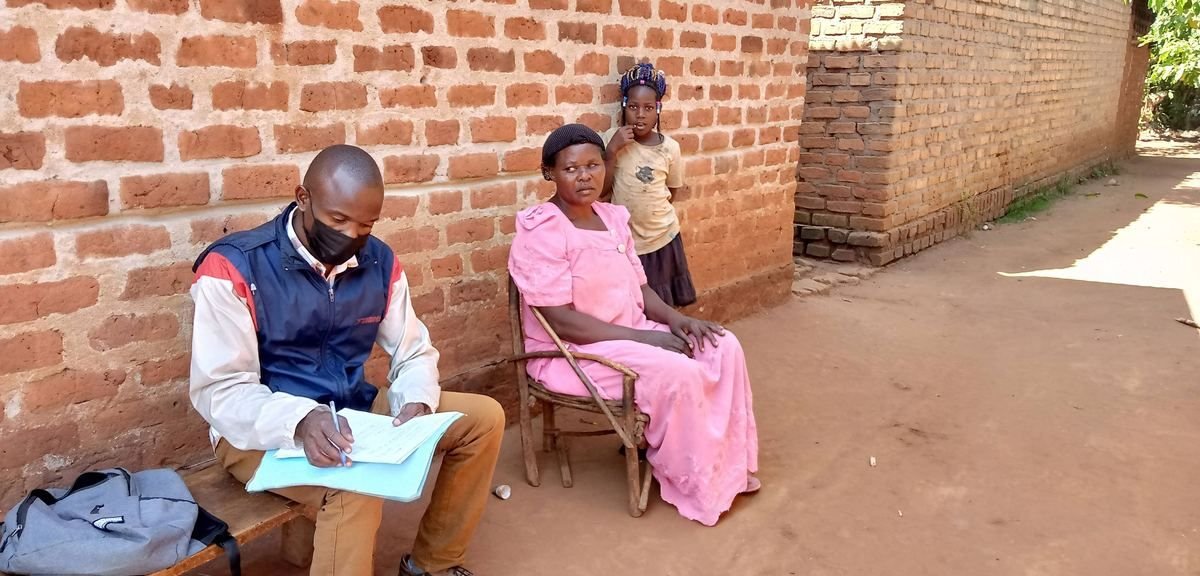
When it may be time to talk.
Everyone struggles at times. Consider reaching out if these last for more than a couple of weeks or get in the way of daily life.
- Constant sadness, worry or irritability
- Withdrawing from family, friends or activities
- Changes in sleep or appetite
- Difficulty concentrating at work or school
- Feeling hopeless or overwhelmed
- Using alcohol or other substances to cope
Common questions.
Is support really free?
Yes. Our counselling, groups and community programs are free of charge. If we need to refer you elsewhere, we will explain any costs beforehand.
Will anyone know I came?
No. Your information is confidential. We only share details with your permission, or where there is a serious risk to your safety or someone else's.
Do I need a referral?
No. You can contact us yourself, or a family member, teacher or friend can reach out with you.
What if I am not sure what is wrong?
You do not need a diagnosis. If something feels heavy, confusing or overwhelming, that is reason enough to talk.
Can I bring someone with me?
Yes. You are welcome to bring a trusted person to your first visit.
Do you support children and teenagers?
Yes. We work with young people with the involvement and consent of a parent or guardian where appropriate, and always with strong safeguarding.
The information on this site is for general support and is not a substitute for professional medical advice, diagnosis or emergency care.